Hyaluronic Acid for Skin: The Complete Beginner’s Guide
In the vast world of skincare ingredients, few have achieved the superstar status of hyaluronic acid. Touted by dermatologists, influencers, and beauty editors alike, it’s often hailed as the ultimate hydration hero. But what exactly is it? Does it live up to the hype, and more importantly, how do you use it correctly?
If you’re a beginner feeling overwhelmed by the information, you’ve come to the right place. This complete guide will break down everything you need to know about hyaluronic acid for skin, from the science behind it to a simple step-by-step routine you can start today.
What is Hyaluronic Acid? (It’s Not What You Think)
et’s clear up a common misconception first: despite its name, hyaluronic acid (often abbreviated as HA) is not a harsh, exfoliating acid like glycolic or salicylic acid. Instead, think of it as the ultimate moisture magnet.
Hyaluronic acid is a glycosaminoglycan, a type of sugar molecule that occurs naturally in our bodies. It’s found in highest concentrations in our skin, eyes, and connective tissues. Its primary job is to retain water—a single molecule of HA can hold up to 1,000 times its weight in water. This incredible ability is what keeps our tissues well-lubricated and hydrated.
Unfortunately, as we age, our natural levels of hyaluronic acid begin to deplete. Factors like UV exposure, pollution, and smoking can accelerate this process, leading to drier skin and the formation of fine lines and wrinkles. This is where topical skincare products come in.
Top Benefits of Hyaluronic Acid for Your Skin
Why should you add a hyaluronic acid serum or moisturizer to your routine? The benefits are extensive and well-documented:
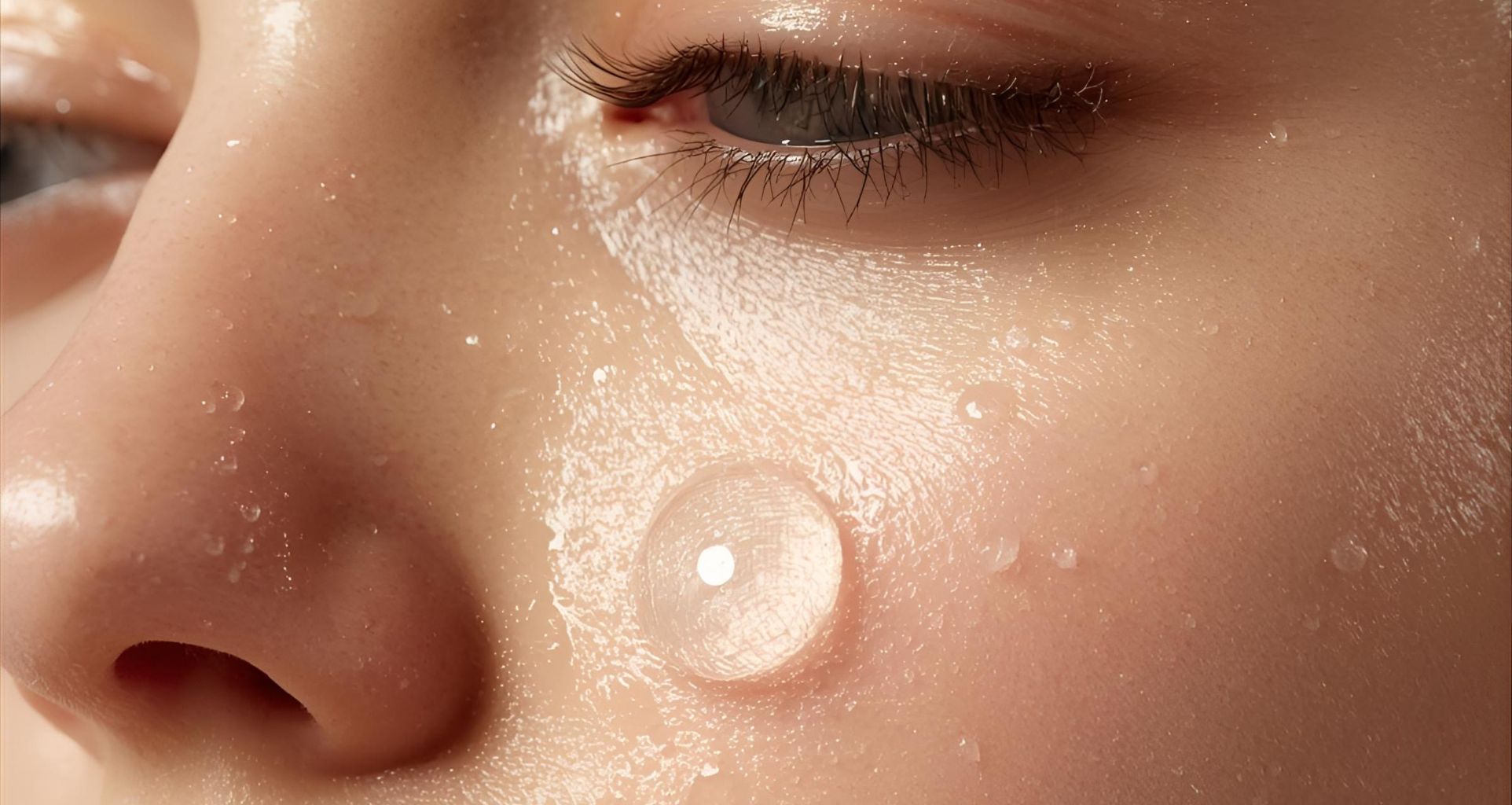
- Intense Hydration: This is its superpower. HA acts like a giant drink of water for your skin, binding moisture to the surface cells (the stratum corneum). This instantly relieves dryness, tightness, and flakiness.
- Plumps and Smooths Fine Lines: When your skin is deeply hydrated, it swells slightly. This plumping effect makes fine lines and wrinkles less visible, giving the complexion a smoother, more youthful appearance.
- Strengthens the Skin Barrier: A well-hydrated skin barrier is a healthy and strong one. By maintaining optimal hydration levels, HA helps fortify your skin’s natural defense system, making it more resilient against environmental aggressors and less prone to irritation and sensitivity.
- Improves Skin Elasticity: Hydrated skin is more supple and bouncy. Regular use of HA can help improve your skin’s elasticity over time.
- Works for All Skin Types: Because it’s non-irritating and non-comedogenic (won’t clog pores), hyaluronic acid is suitable for everyone—from dry and mature skin to oily and acne-prone skin. Even those with sensitive skin can usually tolerate it well.
- Enhances the Efficacy of Other Products: HA is a fantastic team player. Its hydrating properties can help other active ingredients, like vitamin C or retinol, penetrate more effectively and can also buffer their potential irritation.
Debunking a Common Hyaluronic Acid Myth
You may have heard that hyaluronic acid can dry out your skin if you live in a dry climate. This is a partial truth that needs context.
Hyaluronic acid pulls moisture from the nearest available source. In humid air, it pulls water vapor. In dry air (or in arid climates), if there’s no moisture in the air, it can potentially pull water from the deeper layers of your skin up to the surface, where it then evaporates. This process, called transepidermal water loss (TEWL), can leave your skin drier than before.
The solution is simple: You don’t need to avoid HA in dry climates; you just need to use it correctly. Always apply your hyaluronic acid serum to damp skin and immediately seal it in with a moisturizer (and maybe even a face oil). This gives the HA plenty of water to pull from your skin’s surface and locks it all in.
How to Choose the Right Hyaluronic Acid Product
Not all HA is created equal. The molecule comes in different sizes, and this affects its performance:
- High-Molecular Weight HA: These are larger molecules that sit on the surface of the skin. They provide excellent immediate hydration and create a smooth, film-like barrier that reduces water loss. They are great for giving that instant plumping effect.
- Low-Molecular Weight HA: These smaller molecules can penetrate deeper into the skin’s epidermis. They provide longer-lasting hydration at a deeper level, helping to truly replenish moisture reserves.
The best products will contain a combination of multiple molecular weights or other forms like sodium hyaluronate (a salt form of HA that has smaller molecules and can penetrate slightly better). This ensures you get both surface-level and deeper hydration.
What to Look For:
- Serums are typically the most potent and effective way to deliver HA.
- Look for products that pair HA with other supportive ingredients like ceramides, niacinamide, or glycerin for a powerhouse hydration effect.
- Avoid products in jars, as constant exposure to air can degrade the efficacy of HA.
Your Step-by-Step Routine: How to Use Hyaluronic Acid
Incorporating HA into your skincare routine is effortless. Follow these steps for maximum benefits.
Morning Routine:
- Cleanser: Start with a gentle cleanser.
- Toner/Essence (Optional): Use a hydrating toner on a cotton pad or patted into the hands.
- Hyaluronic Acid Serum: This is the key step. While your face is still slightly damp from the toner or water, apply 2-3 drops of your HA serum. Gently press and pat it into your skin. Don’t rub.
- Moisturizer: Apply your favorite moisturizer to seal in the hydration.
- Sunscreen: This is non-negotiable. Always finish your morning routine with a broad-spectrum SPF.
Evening Routine:
- Makeup Remover/Oil Cleanser: First step to remove sunscreen and makeup.
- Water-Based Cleanser: A second cleanse to wash away any remaining impurities.
- Treatment Serums (Optional): This is when you would apply any other treatment serums (e.g., retinol, acne treatments, etc.). You can layer HA before or after, depending on the consistency. A good rule of thumb is to apply water-based serums (like HA) before oil-based or thicker treatments.
- Hyaluronic Acid Serum: Again, apply to damp skin.
- Moisturizer or Night Cream: Lock everything in with a richer moisturizer.
Can You Layer It with Other Actives?
Yes! HA is incredibly versatile.
- With Vitamin C: Apply vitamin C first, let it absorb for 60-90 seconds, then apply HA serum and moisturizer. This is a brilliant pairing for brightening and hydration.
- With Retinol: HA is retinol’s best friend. It helps counteract the dryness and irritation retinol can cause. You can apply HA before or after your retinol, or even look for formulas that combine them.
FAQs: Answering Your Hyaluronic Acid Questions
Q: Can I use hyaluronic acid every day?
A: Absolutely. In fact, for best results, you should use it both morning and night. It’s gentle enough for daily use.
Q: At what age should I start using it?
A: There’s no “right” age. Because our natural levels start declining in our 20s, that’s a great time to start as a preventive measure. However, its hydrating benefits are valuable for skin of any age.
Q: Is it safe to use during pregnancy?
A: Yes, hyaluronic acid is generally considered one of the safest skincare ingredients to use during pregnancy and breastfeeding, as it is a substance already naturally found in the body.
Q: Why doesn’t my hyaluronic acid serum seem to work?
A: The most common reason is incorrect application on dry skin. Ensure you apply it to a damp face and always follow up with a moisturizer. You may also need a product with a mix of molecular weights.
Helpful link you read more : Vitamin C serums for healthy skin
Conclusion: Is Hyaluronic Acid Worth It?
In a word, yes. Hyaluronic acid is far more than just a passing trend. It is a foundational skincare ingredient backed by robust science. Its unparalleled ability to attract and hold moisture makes it indispensable for achieving a hydrated, plump, and healthy-looking complexion.
Whether you’re battling dryness, looking to smooth fine lines, or simply want to give your skin a radiant boost, incorporating a well-formulated hyaluronic acid product into your routine is one of the simplest and most effective steps you can take. Remember the golden rule: apply to damp skin and seal it in. Your skin will thank you for the drink of water.
Related Articles
Dermatological study on HA on a site like NCBI.
For general skincare advice the American Academy of Dermatology (AAD)