Trending Clean Skincare That Actually Works – What It Means
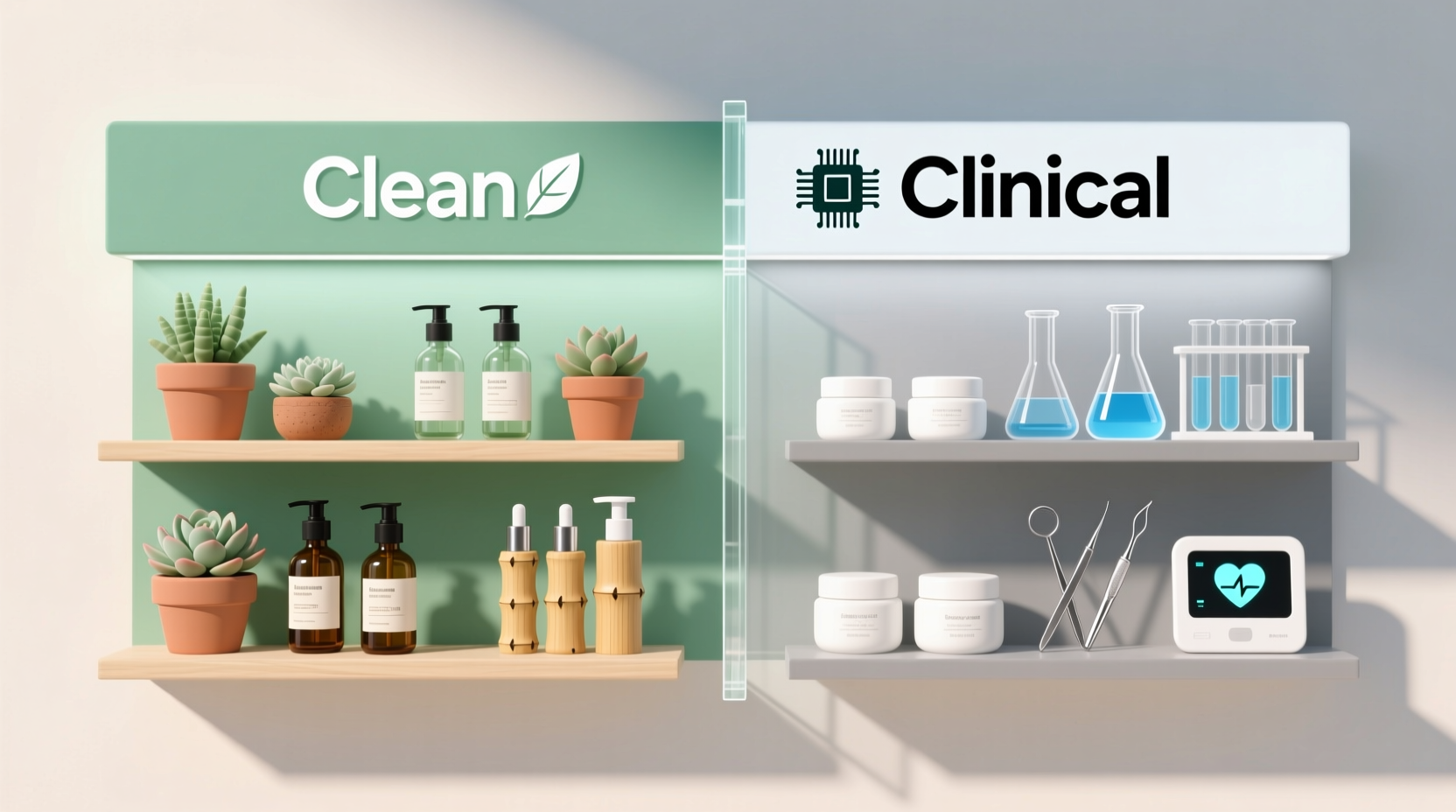
If you’ve been browsing beauty shelves or scrolling Instagram lately, you’ve likely heard about “clean beauty” and wondered: what exactly is trending clean skincare that actually works? In simplest terms, this means skincare routines and products that claim to be clean (i.e., free from certain controversial ingredients, ethically sourced, transparent) and — importantly — deliver real visible results for your skin.
Here’s why this topic matters:
- More consumers are demanding ingredient transparency and non-toxic formulations. Healthline rixincosmetics.com
- The clean-beauty movement is shifting the industry toward more sustainable, minimal, high-impact formulas. Green Beauty Community rixincosmetics.com
- But: “clean” doesn’t automatically mean effective — so you want routines that are both safe and work for your skin.
When we talk about clean skincare that actually works, think about these three key features:
- Ingredient clarity: you know what’s in the formula and what’s out.
- Effective performance: you see and feel a difference in your skin texture, tone or comfort.
- Ethical/sustainable practices: the brand backs up its claims with packaging, sourcing or cruelty-free statements.
If you want to build a routine around trending clean skincare that actually works, you’ll want to know how to pick products, how to use them, and what to expect. Let’s dive in.
How to Choose Clean Skincare That Actually Works
Choosing the right products when the market is overflowing with labels and promises can feel overwhelming. But by using the right filters, you’ll make smarter decisions.
1. Decode the label and ingredient list
- Look out for buzzwords like “clean”, “non-toxic”, “free from parabens/sulfates/fragrance” — but remember: these labels aren’t strictly regulated. Healthline
- Prefer fewer, simpler ingredients if you’re sensitive — the trend toward minimal ingredient lists is strong. rixincosmetics.com
- Check for known effective actives (e.g., vitamin C, niacinamide, ceramides) in clean formulations.
2. Match the product to your skin’s needs
- If your skin is dry or barrier-compromised: go for hydrating cleansers and moisturisers with soothing botanical extracts.
- If your skin is oily or acne-prone: search for lightweight formulas, non-comedogenic claims, and actives like salicylic acid or bakuchiol (clean alternative to retinol).
- For aging or pigmentation concerns: look for clean serums with proven actives and evidence of performance.
3. Check brand ethics and sustainability
- Does the brand state cruelty-free, vegan, or sustainably sourced? The clean trend emphasises ethical sourcing. Green Beauty Community
- Bonus: refillable or minimal packaging, eco-friendly initiatives. These factors don’t guarantee results—but they align with the “clean” ethos.
4. Test and monitor results
- Even the best clean product needs consistency (4-8 weeks typical) to show visible changes.
- Patch test new products—even clean ones can cause reactions.
- Monitor your skin over time: is texture smoother? Are you less irritated? That’s success.
By using these filters, you’ll be able to pick trending clean skincare that actually works — not just hype. And you’ll be able to craft a routine for your skin type and lifestyle.
Sample Routine Using Clean Skincare That Actually Works
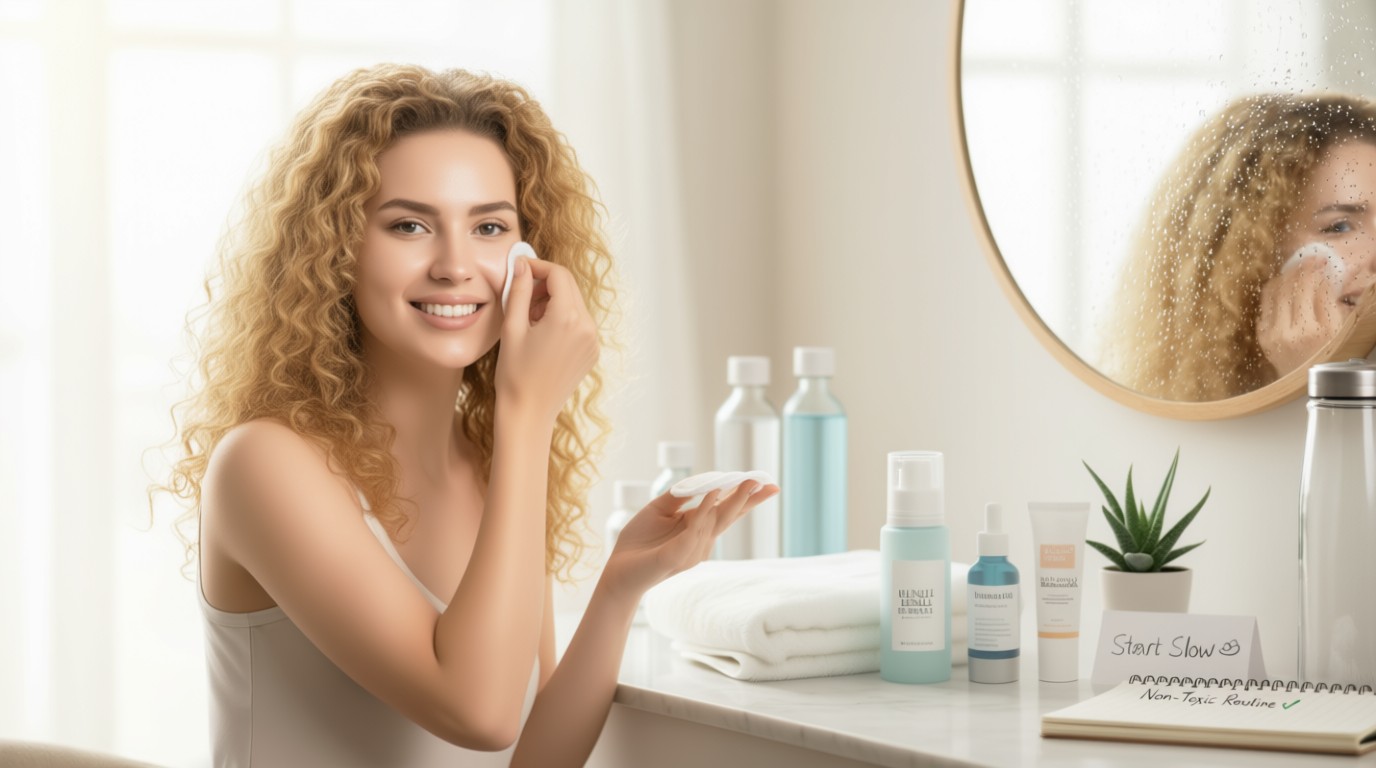
Here’s how you might build a simplified, yet effective routine anchored in clean skincare that actually works.
Morning
- Gentle cleanser (free of harsh sulfates)
- Lightweight serum with antioxidant (e.g., clean vitamin C, niacinamide)
- Moisturiser with ceramides or plant-based oils
- Broad-spectrum SPF 30+ (non-negotiable when using actives)
Evening
- Clean cleansing balm or milk to remove makeup/sunscreen
- Optional: exfoliating clean product 1-2 nights per week (e.g., AHA or enzyme based)
- Targeted serum (e.g., bakuchiol for retinol-alternative, or peptide serum)
- Richer moisturiser or barrier-support cream
Weekly/Bonus
- Hydrating mask or clean sheet mask with calming ingredients (aloe, oat extract)
- If using actives, alternate nights to avoid overloading skin.
Key things to remember
- And of course, support with external authority sources like:
- “What Is ‘Clean Beauty’? The Truth Behind…” on Healthline. Healthline
- “Top 8 Clean Beauty Trends” blog. rixincosmetics.com
- “2025 Beauty Trends: The Rise of Clean Beauty” article. CIDESCO
Don’t miss our newest trend: Face Yoga: 5 Easy Moves to Lift & Tone Your Skin! — fun exercises to boost blood flow and brightness.
This routine shows you how to integrate trending clean skincare that actually works into your everyday life — with minimal fuss and maximum impact.
What to Expect (And What to Avoid) with Clean Skincare That Actually Works
When you shift to clean skincare that actually works, there are realistic expectations and common pitfalls.
What to expect
- Your skin may feel calmer, less irritated — especially if you were using harsh formulas before.
- Improvement in texture, hydration and clarity, over the 4-8 week mark.
- A routine that aligns with your values (ethical, sustainable) and gives visible results.
What to avoid
- Expecting overnight miracles — even high-performing clean actives need time.
- Falling for “greenwashing”: just because a label says “clean” doesn’t mean it’s super effective or even all that safe. Healthline
- Using every new trendy product — clean doesn’t mean “use everything”. Overloading can irritate.
- Skipping SPF or ignoring your skin’s unique needs (everyone is different).
Tips to maximise results
- Keep a simple base routine and add one “clean” active product at a time.
- Track your skin’s changes and adjust as needed.
- If you have sensitive skin, choose clean formulations with minimal fragrance and botanical irritants.
- Always invest in sun protection: no routine works fully without it.
By setting the right expectations and staying realistic, you’ll get the benefits of trending clean skincare that actually works — without frustration or confusion.
FAQs
Q1. Does “clean skincare” mean “natural” and is that always better?
Not always. “Clean” is a marketing term without strict regulation, and “natural” ingredients can still cause reactions. Healthline
Q2. How soon will I see results from switching to clean skincare?
Typically in about 4–8 weeks with consistent use. Some benefits (hydration, calmness) may show sooner.
Q3. Can clean skincare still include active ingredients like retinol or acids?
Yes. “Clean” refers more to formulation philosophy than absence of actives. You’ll find effective actives in clean-branded formulas.
Q4. Is clean skincare always more expensive?
Not necessarily — while some premium brands charge more, many affordable clean options exist. The key is ingredients + ethics.
Q5. How do I avoid falling for greenwashing in clean skincare?
Check ingredient lists, brand transparency, certifications (cruelty-free, vegan). Don’t rely solely on words like “clean”, “tox-free”. rixincosmetics.com
Q6. Will clean skincare work for all skin types (oily, combination, mature)?
Yes — but you’ll still tailor the formula to your skin type, concerns and tolerance. Clean doesn’t mean one-size-fits-all.
Clean skincare that actually works is about marrying ethics + performance. If you take the time to pick smart products, build a consistent routine, and honour your skin’s needs — you’ll get results and feel good about what you’re putting on your skin.
Check out our new guide: DIY Face Masks Using Kitchen Stuff — simple steps to happy skin without fancy gadgets!