“How Beauty Tech Is Transforming Skincare and Cosmetics in 2025”
Technology isn’t just about smartphones or smart homes anymore—it’s now powering smart beauty. From AI-powered skin scanners to at-home facial devices, beauty tech is revolutionizing how we care for our skin. In 2025, skincare has become more personalized, data-driven, and results-focused, thanks to technology that understands individual needs like never before.
Let’s explore how this growing trend is optimizing skincare and cosmetic practices worldwide.
1. Smart Skincare Devices for At-Home Results
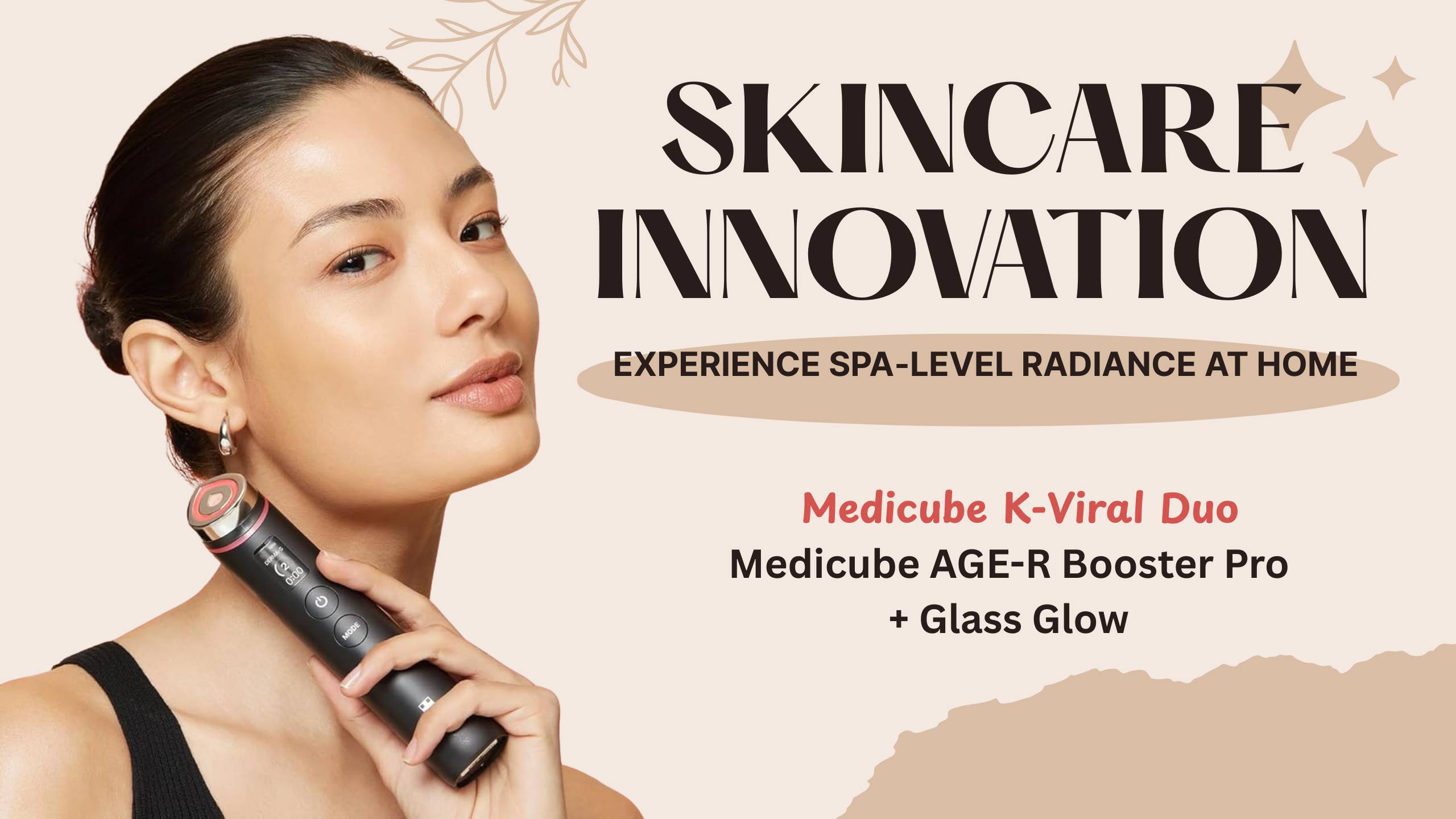
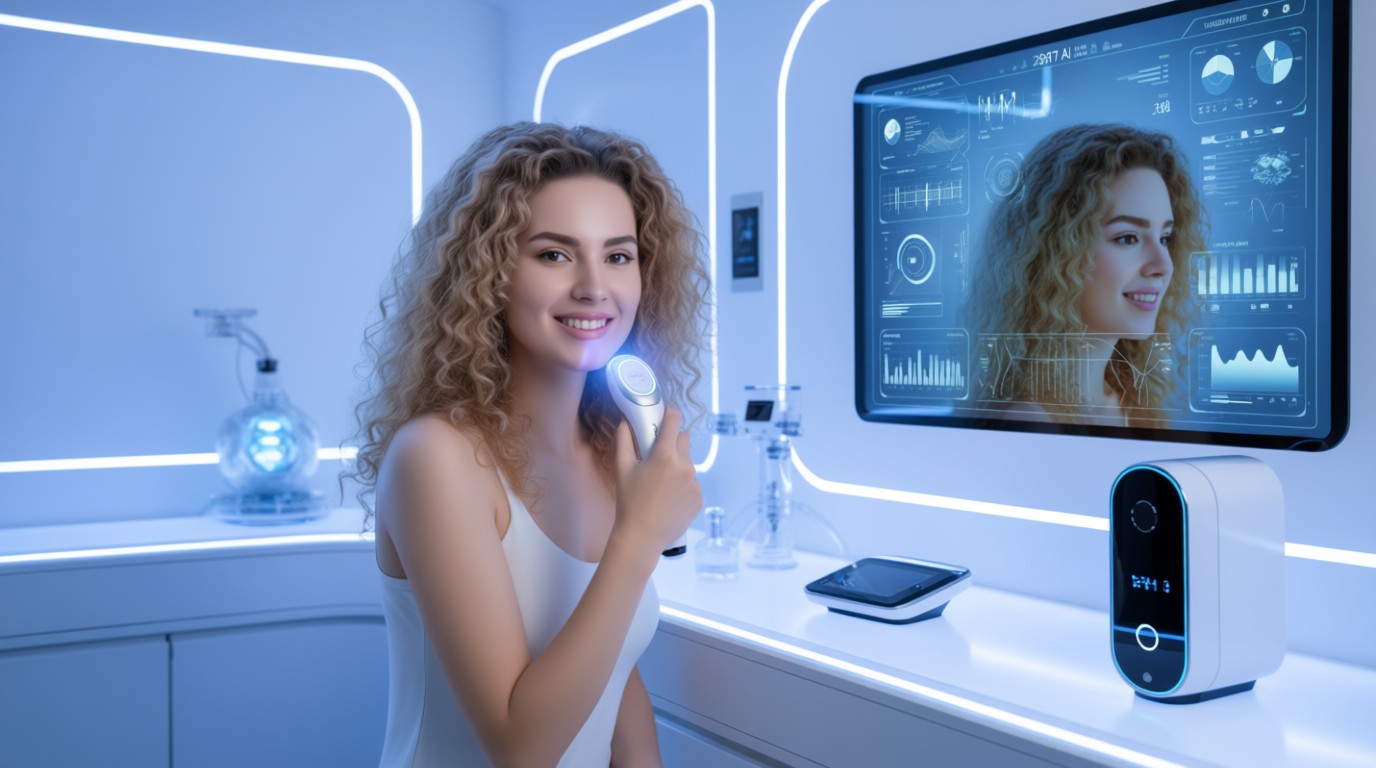
Modern beauty routines are smarter than ever. Devices like LED therapy masks, microcurrent tools, and radiofrequency gadgets are trending globally because they deliver spa-level results at home.
Why it matters:
- They help improve skin tone, texture, and elasticity.
- Devices like Solawave 4-in-1 Wand and Medicube AGE-R Booster Pro are going viral for their visible glow results.
- They combine multiple benefits like LED light therapy, vibration, and warmth in one tool.
💡 Pro Tip: Use your beauty device consistently—like 3 to 5 times a week—to see noticeable improvements in firmness and radiance.
👉 Trending Clean Skincare That Actually Works – What It Means
👉 Trending New Face Massager Tool
👉 Retinol Skincare – The Real Truth Behind the Hype
2. AI and Skin Analysis: Personalized Beauty in Seconds
Imagine snapping a selfie and instantly getting a full skincare analysis. That’s now possible with AI-powered apps like Skin Match, YouCam Makeup, and L’Oréal Perso.
These tools use artificial intelligence and machine learning to analyze pores, fine lines, and pigmentation, recommending products that fit your exact skin type.
Benefits of AI Skincare Tools:
- Personalized recommendations reduce product waste.
- Data-driven insights help users track skin progress.
- AI adapts to changing skin conditions (like seasonal dryness).
As technology advances, these AI-driven tools are creating more inclusive and accurate skincare experiences—something traditional beauty methods couldn’t achieve.
🌐Learn how AI is changing beauty at Vogue.
3. Virtual Try-Ons & Smart Makeup Tools
When it comes to cosmetics, AR (Augmented Reality) is a total game-changer. Apps now allow users to virtually try lipstick shades, foundation tones, and eyeshadow looks before buying—ensuring zero guesswork.
Trending examples:
- Sephora Virtual Artist lets you test thousands of products virtually.
- L’Oréal’s Modiface helps you preview looks in real-time.
- Smart mirrors even give skincare reminders and lighting adjustments for makeup perfection.
These technologies bridge the gap between online and in-store experiences, improving consumer confidence and reducing returns.
🌐 Read more about AR in beauty at Forbes.
4. Sustainable Tech in Beauty
Sustainability and technology are now intertwined in the beauty world. Brands are introducing eco-friendly refill systems, biotech ingredients, and energy-efficient beauty devices.
Examples include:
- Refillable smart dispensers that track product usage.
- Biotech skincare made from lab-grown ingredients.
- Devices that auto-adjust intensity based on your skin sensitivity.
These innovations not only enhance performance but also align with the global shift toward conscious beauty.
🌐 Discover more sustainable trends at Elle.
FAQs
1. What is beauty tech?
Beauty tech combines technology with skincare and cosmetics to deliver personalized, data-driven results through devices and AI systems.
2. Are at-home beauty tools safe?
Yes, most are FDA-approved and safe when used as directed. Always follow brand guidelines for the best results.
3. Does AI skincare analysis really work?
Yes, AI uses image recognition to detect issues like pores and wrinkles accurately, offering customized skincare advice.
4. What’s the future of beauty tech?
Expect even smarter wearables, personalized formulas, and voice-guided beauty assistants.
5. Is beauty tech expensive?
Not necessarily—there are options from under $50 (rollers) to $500+ (smart devices), depending on your needs.
6. Can beauty tech replace dermatologists?
No—it complements professional advice but shouldn’t replace medical skincare guidance.
🏁 Final Thoughts
Beauty tech is not just a luxury—it’s a movement reshaping skincare and cosmetics for good. From AI-guided skincare to sustainable innovations, technology is making beauty more accessible, efficient, and truly personal.
If you want glowing, healthy skin in 2025, it’s time to embrace the power of smart beauty.
🔖 If you like the post please share it with friends
#BeautyTech #SmartSkincare #AIinBeauty #SkincareInnovation #TechInBeauty #GlowUp2025 #SustainableBeauty #DigitalBeautyTrends