🌿 Clean vs. Clinical skincare: What’s better? (and why it matters!)
Hey there, skincare buddy! 👋
Have you ever stood in front of a mirror holding two bottles — one says “Clean Beauty” and the other says “Clinically Proven”? And you’re like… “Umm… which one do I pick?!”
You’re not alone. Lots of people feel confused. That’s why we’re here — to break it down super simple. No big words. No fancy science talk. Just clear, fun, helpful info!
Let’s start with what these words even mean:
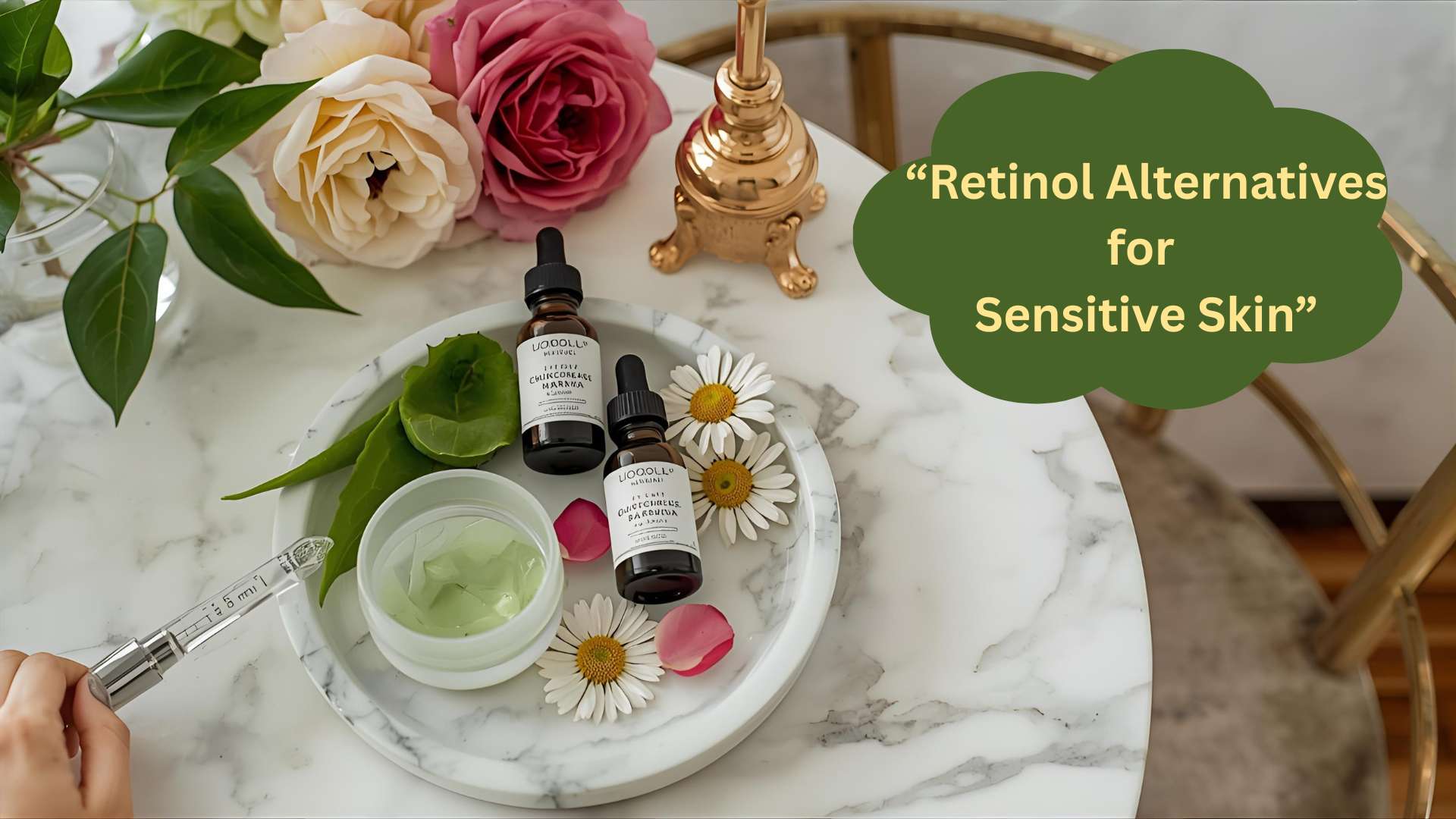
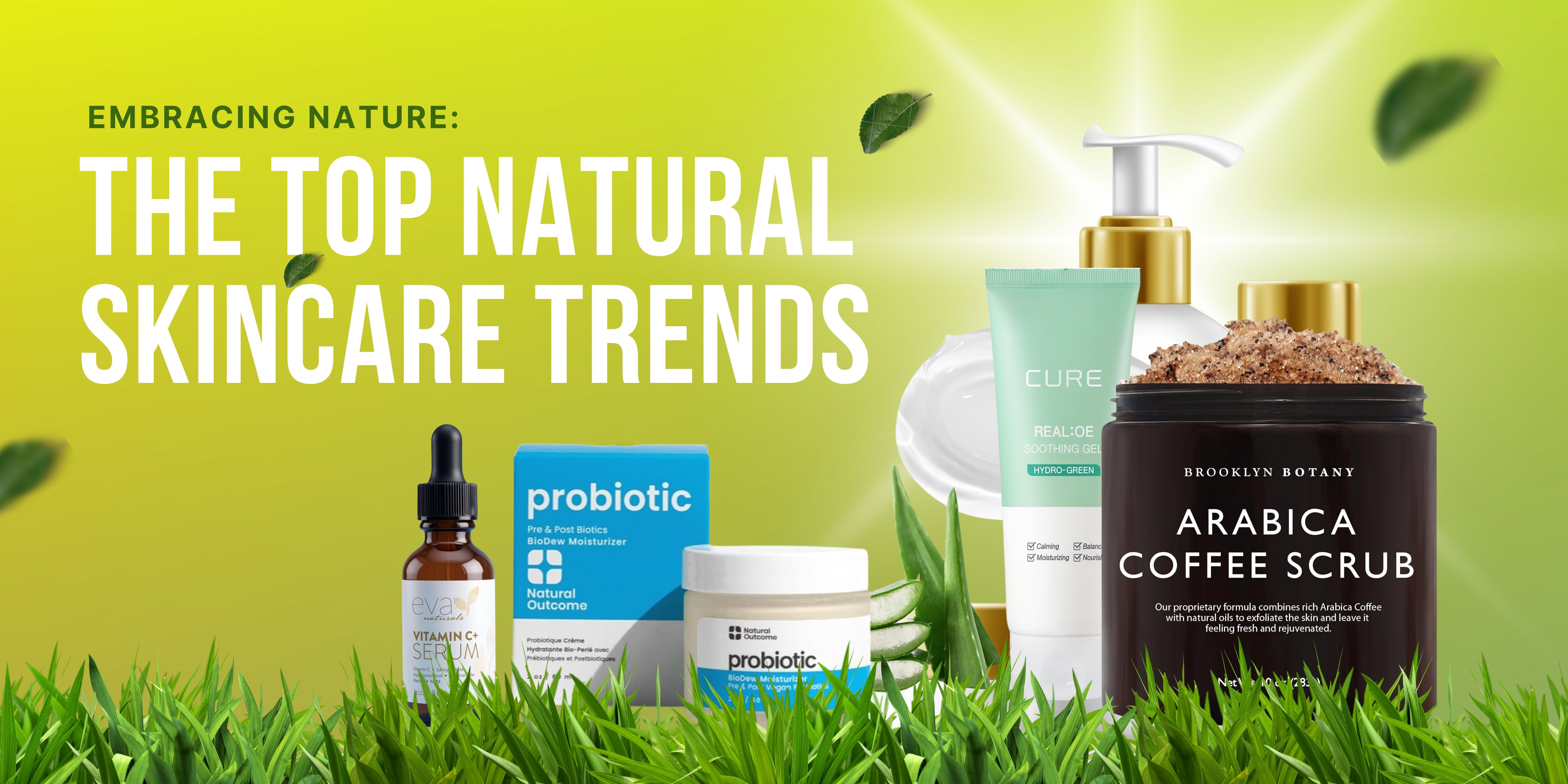
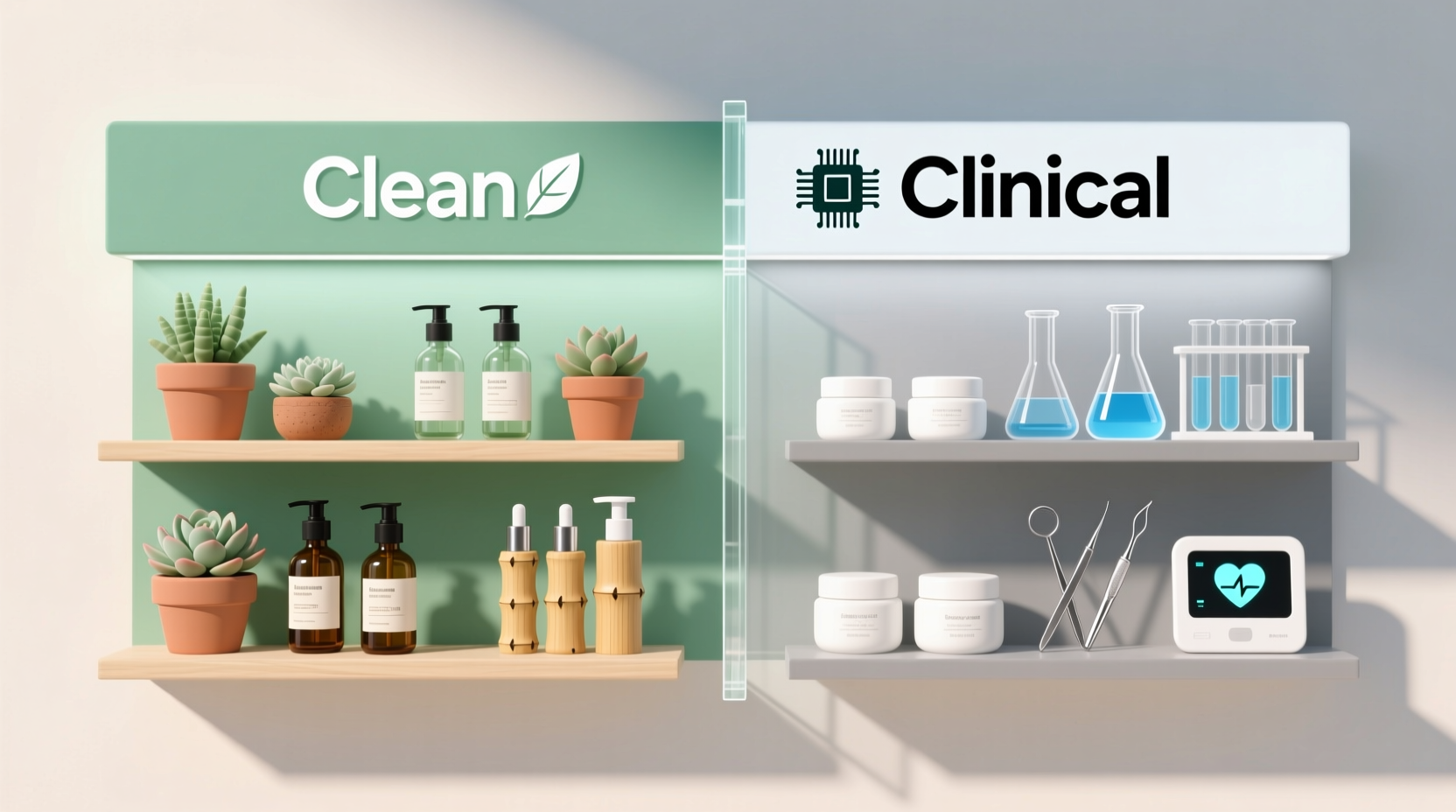
🔹 Clean Skincare = Made with natural stuff like aloe, chamomile, coconut oil. Usually no harsh chemicals. Feels gentle, smells nice, and loves Mother Earth.
🔹 Clinical Skincare = Made in labs with strong ingredients like retinol, hyaluronic acid, vitamin C. Tested on real skin to prove it works. Think “science superhero!”
So… which one is better?
👉 Short answer: Neither is “better.” It depends on YOU.
Your skin is like your favorite pair of shoes — sometimes you need comfy slippers (clean), sometimes you need running shoes (clinical). You pick what fits your day, your mood, your skin!
📌 Quick Tips:
- If your skin is sensitive or you love nature → try clean.
- If you want fast results for acne, wrinkles, or dark spots → try clinical.
- You can even mix both! Many people do.
💧 What does “Clean” really mean in skincare?
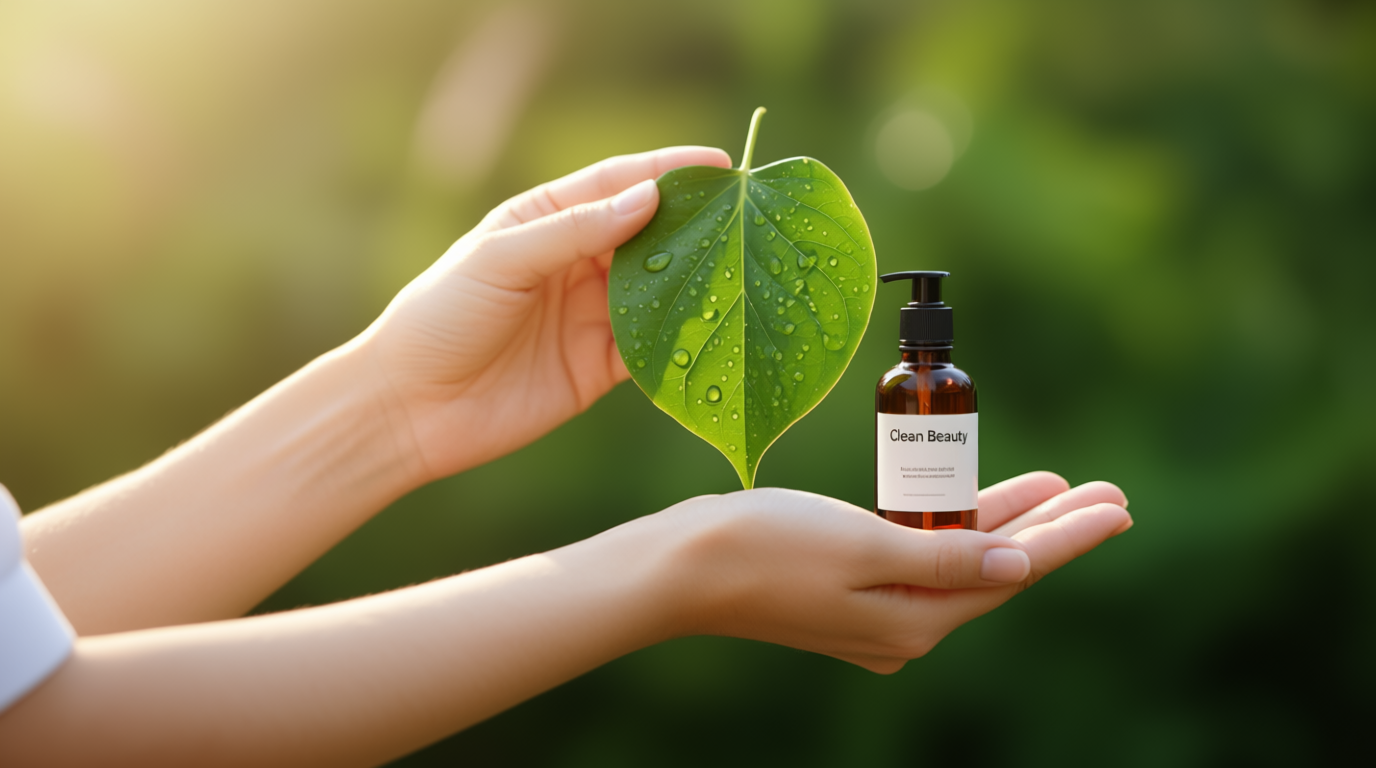
Okay, let’s chat about “clean.” When someone says “clean skincare,” they usually mean:
- No parabens (bad preservatives)
- No sulfates (harsh soaps that dry skin)
- No phthalates (smelly stuff that can mess with hormones)
- No synthetic fragrances (fake smells that can irritate)
But here’s the secret: There’s no official rulebook for “clean.” Any brand can say their product is “clean” — even if it has a few sneaky chemicals. So always check the label!
✅ Good Clean Brands (you can trust):
- Drunk Elephant — They’re honest about what’s inside.
- Youth to the People — Super plant-based, super cool.
- Farmacy— Cute packaging + real clean ingredients.
💡 Fun Fact: Clean doesn’t always mean safe for everyone. Some natural oils (like citrus or tea tree) can cause rashes too! Always patch test!
🔗 Useful links:
👉 Learn how to build a Beginner’s Guide to Skincare Routines
👉 Discover the magic of Top 10 Korean Skincare Products That Are Actually Worth the Hype
👉 Find out why How to Choose the Perfect Cleanser for Your Skin Type
🔬 What makes skincare “Clinical”? is it safe?

Now let’s talk about “clinical.” This word sounds scary, right? Like you’re in a hospital? Nope! Clinical just means:
🔬 The product was tested in labs or on real people to prove it actually works.
🧪 It often uses powerful ingredients like:
- Retinol (for wrinkles)
- Niacinamide (for redness & pores)
- Vitamin C (for glow & brightness)
- Hyaluronic Acid (for plump, juicy skin)
These ingredients are like tiny superheroes for your face. They don’t just sit there — they go to work!
⚠️ But wait — clinical doesn’t always mean “gentle.” Some formulas can sting, peel, or make your skin feel tight at first. That’s normal! Your skin is adjusting.
✅ Top Clinical Brands (Trusted by Dermatologists):
- The Ordinary — Super affordable, super strong.
- Paula’s Choice — Smart, science-backed, no fluff.
- SkinCeuticals — Used by doctors worldwide.
💡 Pro Tip: Start slow with clinical products. Use them 2–3 times a week at first. Let your skin get used to them. Don’t rush!
🔗 Don’t Miss to read the Links :
👉 Allure’s Best Clinical Skincare Products 2024
👉 Byrdie’s Guide to Clean Beauty Brands You Can Trust
👉 Dermstore’s Dermatologist-Approved Skincare Lineup
🤝 Can you mix Clean & Clinical skincare? (Yes, and here’s how!)
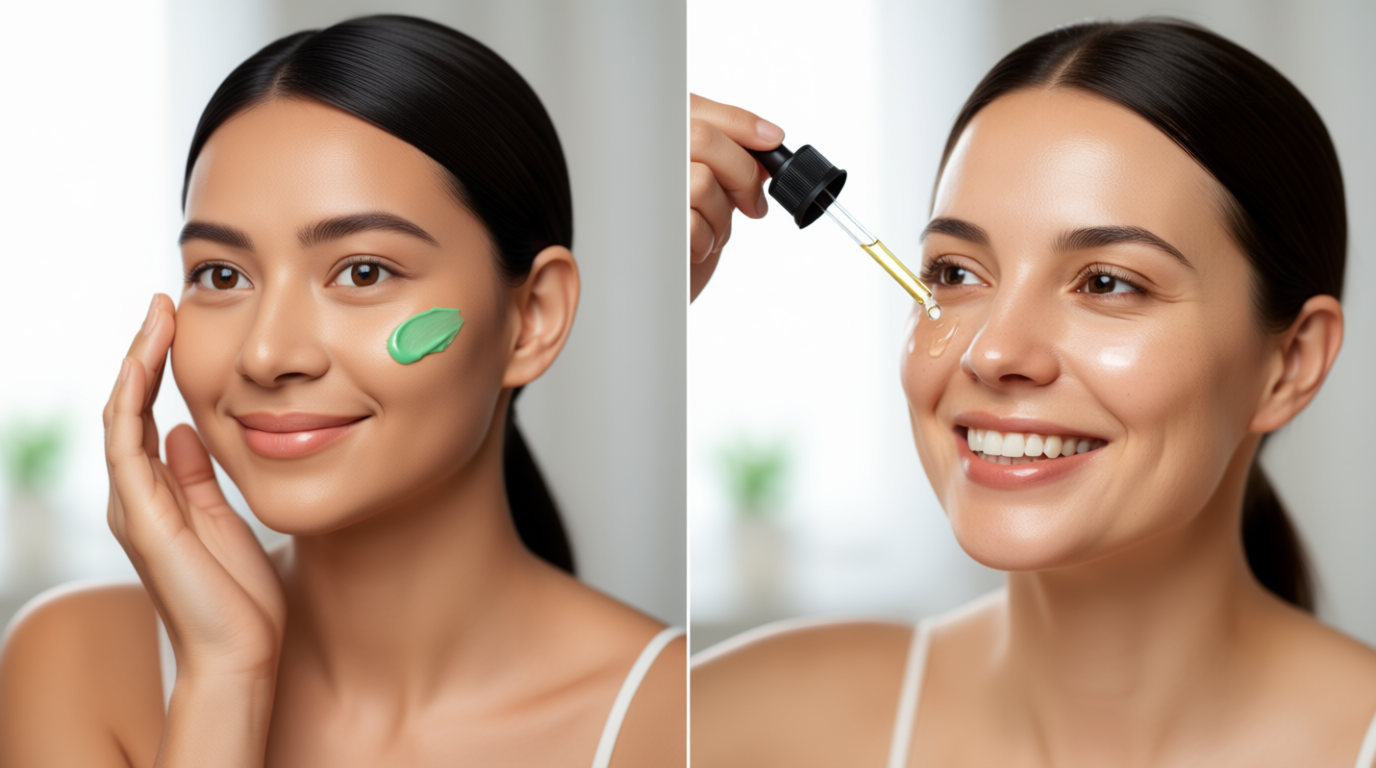
Guess what? You don’t have to choose just ONE team. You can be a Clean + Clinical Combo Champion!
Here’s how real people do it:
✔️ Morning Routine = Clean + Gentle
→ Cleanser with aloe
→ Toner with rosewater
→ Moisturizer with shea butter
→ Sunscreen (always!)
✔️ Night Routine = Clinical + Power Boost
→ Cleanser (gentle)
→ Serum with retinol or vitamin C
→ Night cream with ceramides
This way, your skin gets the best of both worlds — calm during the day, strong at night!
📌 Don’t Mix These Together (They Fight!):
- Vitamin C + Retinol (can irritate)
- AHAs/BHAs + Retinol (too strong together)
- Fragrance + Active Ingredients (might cause reactions)
✅ Best Combo Products (That Play Nice Together):
- [CeraVe Hydrating Cleanser] (clean + gentle) + [The Ordinary Niacinamide] (clinical + brightening)
- [Youth to the People Kale Cleanser] (clean) + [Paula’s Choice 10% Niacinamide Booster] (clinical)
💡 Remember: Listen to your skin. If it feels tight, red, or itchy — pause. Go back to basics. Healing > Hurrying.
❓ FAQs: Clean vs. Clinical skincare – Quick Answers!
Q: Is clean skincare safer than clinical?
A: Not always. Some “clean” products still have allergens. Clinical products are tested for safety — but can be strong. Pick what suits YOUR skin.
Q: Can kids or teens use clinical skincare?
A: Yes, but gently. Teens can use low-strength niacinamide or hyaluronic acid. Avoid retinol until early 20s unless a doctor says okay.
Q: Do clean brands cost more?
A: Sometimes, yes. But not always! Brands like Innisfree or Burt’s Bees offer clean options under $20.
Q: Which is better for acne?
A: Clinical wins here. Ingredients like salicylic acid, benzoyl peroxide, and retinoids are proven to fight breakouts.
Q: Can I switch from clean to clinical?
A: YES! Start slowly. Try one clinical product at a time. Give your skin 2–4 weeks to adjust.
🎯 Final word: You decide what’s “Better”
At the end of the day, “clean” and “clinical” aren’t enemies — they’re teammates. One gives you comfort, the other gives you results. You get to pick who plays first!
Your skin is unique. Your life is busy. Your goals matter. So don’t stress over labels. Look at the ingredient list. Patch test. Ask questions. And most importantly — enjoy the journey!
💬 Got questions? Drop them in the comments below — we read every one!
🌟 P.S. Want more easy skincare tips? Check out our free guide:
👉 How to Build Your First Skincare Routine (No Confusion Allowed!)
you also like