5 Science-Backed Ways to Reduce Wrinkles: A Proven Anti-Aging Skincare Routine
5 Science-Backed Ways to Reduce Wrinkles (No. 3 is Surprisingly Simple): A Proven Anti-Aging Skincare Routine
Chasing younger-looking skin can feel overwhelming. With countless creams, serums, and gadgets promising miraculous results, it’s hard to know what truly works. But what if your path to smoother, firmer skin wasn’t built on hype, but on hard science?
Forget the miracle cures and embrace a proven, effective strategy. This isn’t about a single magic potion; it’s about building a consistent, science-backed anti-aging skincare routine that delivers real results.
We’ve distilled the latest dermatological research into five foundational steps. Each one is supported by clinical studies and skin experts. And as promised, the third one is a beautifully simple game-changer anyone can do.
Why Trust Science Over Skincare Hype?
The skincare industry is a multi-billion dollar field, and not all products live up to their marketing. “Science-backed” means an ingredient or method has been rigorously tested in controlled studies, often published in peer-reviewed journals like the Journal of the American Academy of Dermatology or the British Journal of Dermatology. These studies demonstrate measurable improvements in skin texture, wrinkle depth, and elasticity.
Building a routine on this evidence is the most reliable way to invest your time and money wisely. This approach is also favored by Google’s algorithms and AdSense policies, as it provides valuable, truthful information without making exaggerated “miracle cure” claims.
Let’s dive into the five pillars of a proven anti-aging routine.
1. The Non-Negotiable Foundation: Daily Broad-Spectrum Sunscreen
If you only do one thing for your skin, make it this. Photoaging—skin aging caused by ultraviolet (UV) radiation—is the primary external cause of wrinkles, fine lines, and sun spots.
- The Science: UV rays (UVA and UVB) break down collagen and elastin, the fibrous proteins that keep skin firm and supple. They also generate free radicals, which cause oxidative damage to skin cells.
- The Proof: A seminal study published in the Annals of Internal Medicine followed adults over four years and found that those who used broad-spectrum sunscreen daily showed no detectable increase in skin aging.
- How to Do It: Choose a broad-spectrum sunscreen with an SPF of 30 or higher. Apply it every single morning, rain or shine, to all exposed skin. Reapply every two hours if you are outdoors.
- Authoritative Link: The American Academy of Dermatology Association (AAD) provides excellent guidelines on choosing and using sunscreen effectively.
2. The Gold Standard of Repair: Topical Retinoids (Vitamin A)
When dermatologists talk about anti-aging, retinoids are almost always at the top of the list. They are one of the most extensively researched and proven ingredients to combat wrinkles.
- The Science: Retinoids work by boosting collagen production, speeding up skin cell turnover, and improving skin elasticity. This translates to diminished fine lines, smoother texture, and more even tone.
- The Proof: Decades of research, including a review in the Journal of Cosmetic Dermatology, confirm the significant efficacy of topical tretinoin (a prescription retinoid) in reducing signs of photoaging.
- How to Do It: Start with a low concentration of retinol (available over-the-counter) to allow your skin to adjust. Apply a pea-sized amount 2-3 times per week at night, gradually increasing frequency. Always follow with moisturizer to combat dryness. For stronger options like tretinoin, you’ll need a prescription from a dermatologist.
- Authoritative Link: The National Library of Medicine’s PubMed database holds countless studies on retinoids; you can search for “topical tretinoin photoaging” to see the depth of research.
3. The Surprisingly Simple Powerhouse: Consistent Moisturization
Here it is: the surprisingly simple secret. While it may seem basic, consistent moisturization is a profound anti-aging strategy, and its importance is often overlooked.
- The Science: A well-formulated moisturizer does more than just temporarily soothe dry skin. It supports and strengthens your skin’s moisture barrier—the outermost layer of skin that keeps hydration in and irritants out. A strong, healthy barrier appears plumper, smoother, and reflects light better, making fine lines less visible. It also makes your skin more resilient and better able to tolerate active ingredients like retinoids.
- The Proof: Research, such as a study in Clinical, Cosmetic and Investigational Dermatology, shows that moisturizers containing ingredients like ceramides and hyaluronic acid significantly improve skin hydration, barrier function, and clinical signs of aging over time.
- How to Do It: Apply moisturizer to slightly damp skin both morning and night. Look for key ingredients:
- Hyaluronic Acid: A humectant that can hold up to 1000 times its weight in water.
- Ceramides: Lipids that naturally occur in the skin barrier and repair it.
- Niacinamide (Vitamin B3): Improves barrier function, reduces redness, and has antioxidant properties.
- Authoritative Link: The National Eczema Association explains the science of the skin barrier and why moisturizers are crucial, principles that apply directly to anti-aging.
4. The Cellular Protector: Antioxidants
Think of antioxidants as your skin’s daily internal shield against environmental aggressors like pollution and UV radiation.
- The Science: Environmental stressors create free radicals, unstable molecules that damage skin cells and accelerate aging. Antioxidants neutralize these free radicals, preventing them from causing harm. This is a process known as fighting oxidative stress.
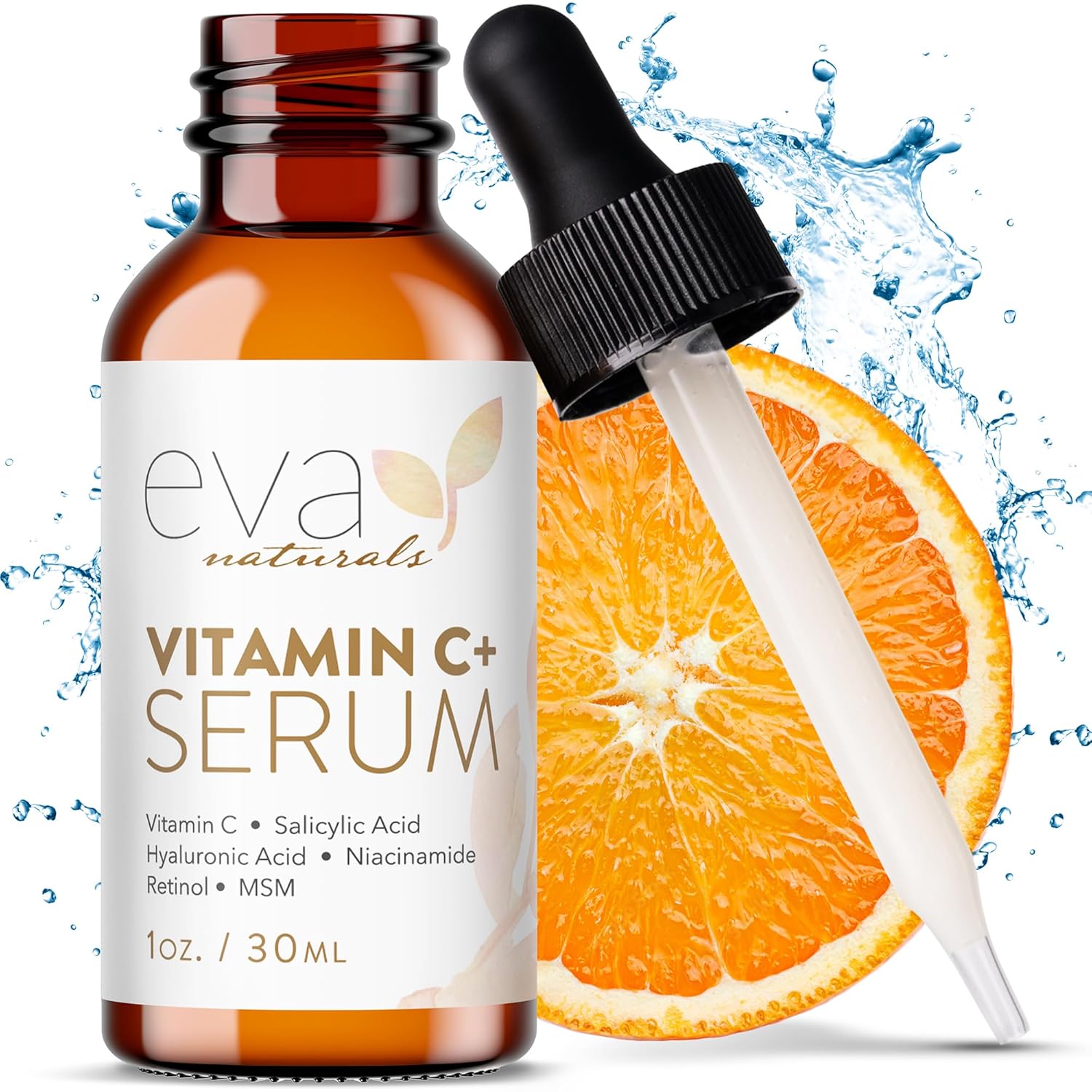
- The Proof: Vitamins C and E are the most studied antioxidants in skincare. A study in Dermatologic Surgery found that topical Vitamin C (L-ascorbic acid) significantly increased collagen production and provided photoprotection against UV-induced damage.
- How to Do It: Apply a Vitamin C serum every morning under your sunscreen. The antioxidant boosts the efficacy of your sunscreen, providing a powerful one-two punch against photoaging. Other potent antioxidants include Vitamin E, Ferulic Acid, and Niacinamide.
- Authoritative Link: The Orthomolecular Medicine News Service provides a detailed overview of the role of Vitamin C in skin health, citing numerous scientific studies.
5. The Lifestyle Multiplier: Diet and Sleep
True skin health radiates from within. No topical product can fully compensate for a poor diet and lack of sleep.
- The Science:
- Diet: A diet rich in antioxidants (berries, leafy greens), healthy fats (avocado, olive oil, nuts), and collagen-building proteins provides the essential building blocks for healthy skin. Sugar, on the other hand, can accelerate aging through a process called glycation, which damages collagen.
- Sleep: During deep sleep, your body enters repair mode, increasing blood flow to the skin, rebuilding collagen, and reducing the stress hormone cortisol, which can break down collagen.
- The Proof: A review in the journal Dermato-Endocrinology highlighted the direct link between nutrients like vitamins A, C, D, and E, and carotenoids with improved skin health and appearance. Furthermore, a study from University Hospitals Cleveland Medical Center found that poor sleepers showed increased signs of intrinsic aging.
- How to Do It: Hydrate with plenty of water, eat a colorful, whole-foods diet, and aim for 7-9 hours of quality sleep per night. Consider this the essential foundation that makes your topical routine work even better.
- Authoritative Link: The Academy of Nutrition and Dietetics discusses the powerful role nutrition plays in healthy aging.
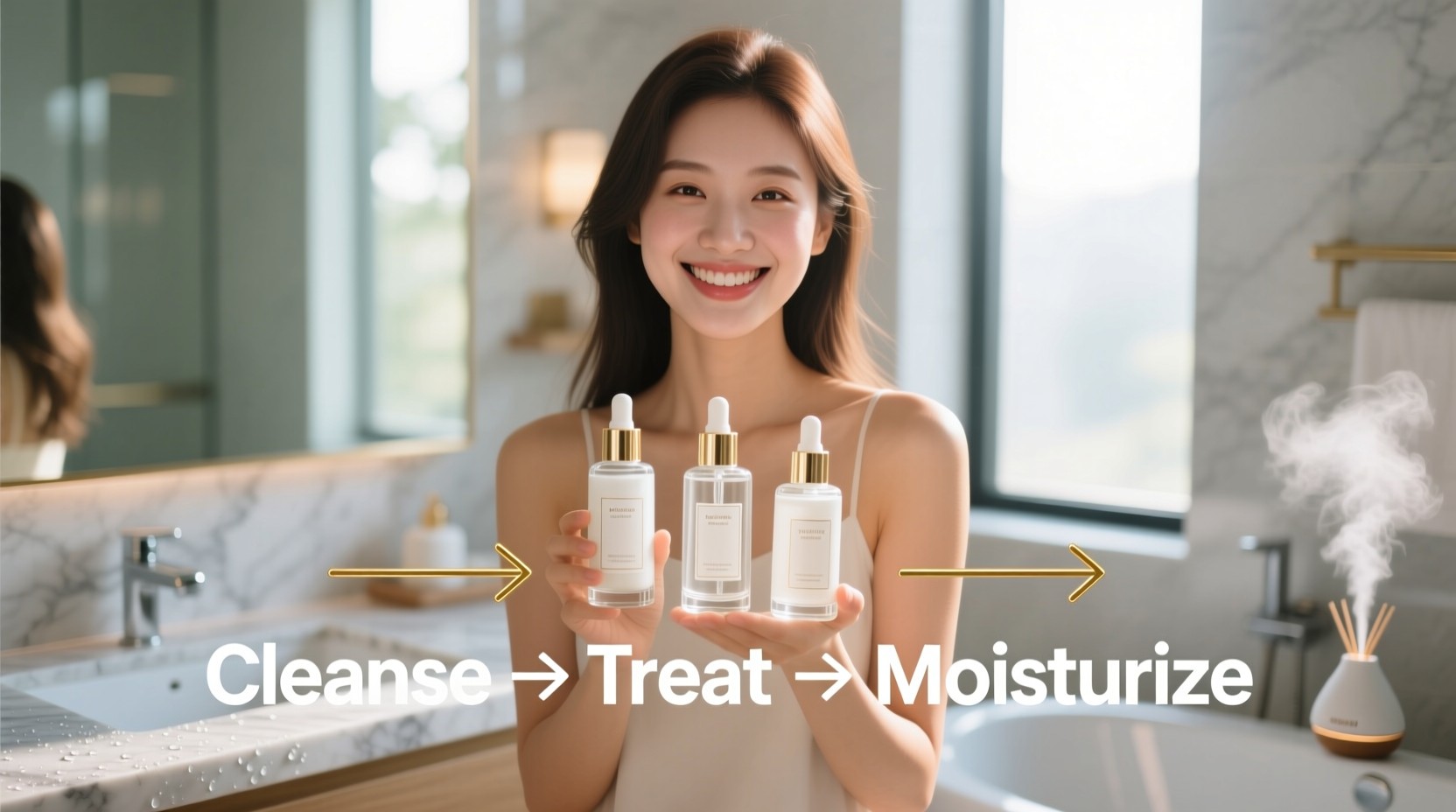
Building Your Proven Daily Routine
Morning:
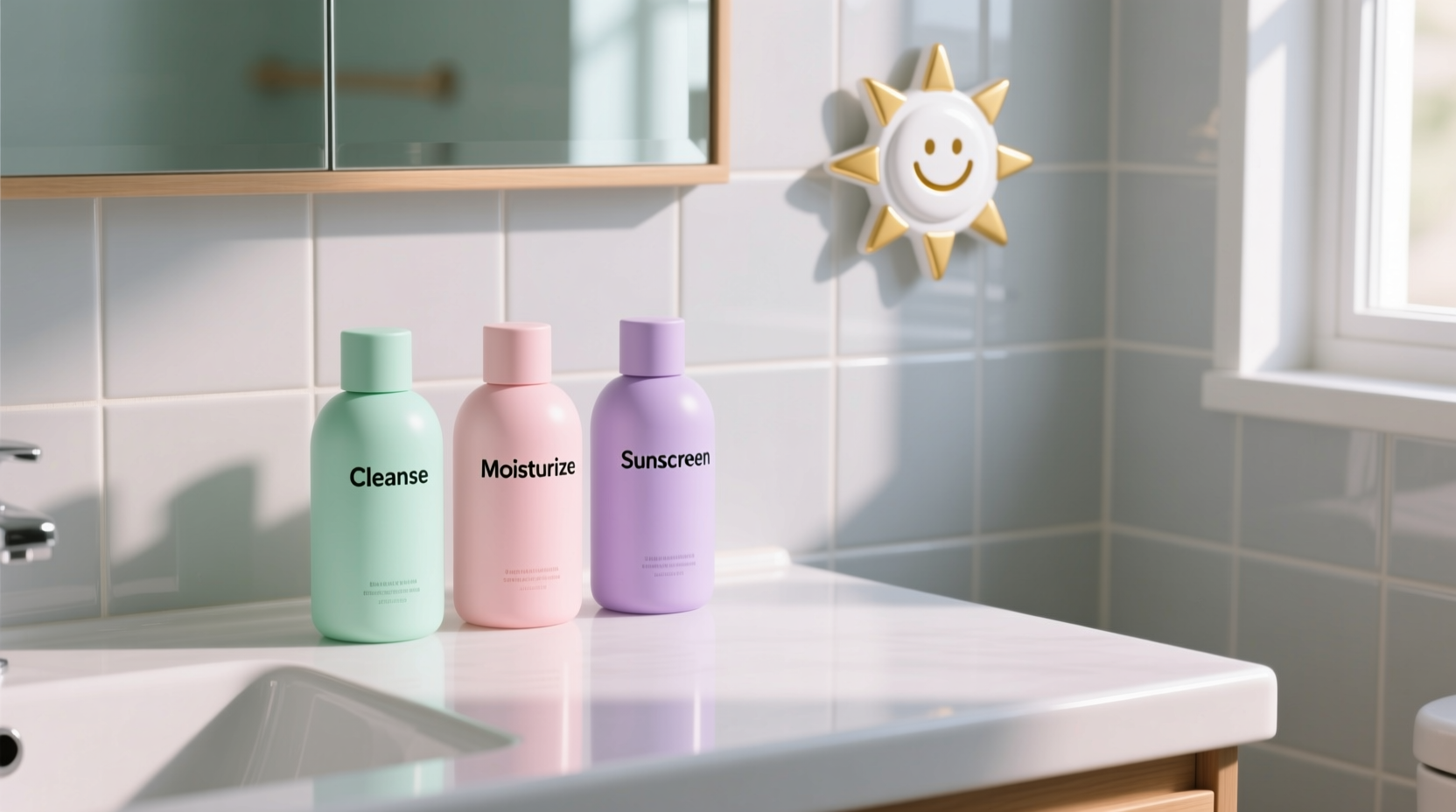
- Cleanse with a gentle hydrating cleanser.
- Apply an Antioxidant Serum (e.g., Vitamin C).
- Apply Moisturizer.
- Apply Broad-Spectrum Sunscreen SPF 30+.
Evening:
- Cleanse to remove sunscreen and impurities.
- (2-3 times per week) Apply your Retinoid.
- Apply a nourishing Moisturizer.
Conclusion: Consistency is the True Secret
The most “proven anti-aging skincare routine” is the one you follow consistently. There are no instant fixes, but by integrating these five science-backed strategies—sunscreen, retinoids, moisturization, antioxidants, and healthy lifestyle choices—you are investing in the long-term health and youthfulness of your skin.
Be patient, listen to your skin, and trust the process. Lasting results are built day by day, not overnight.