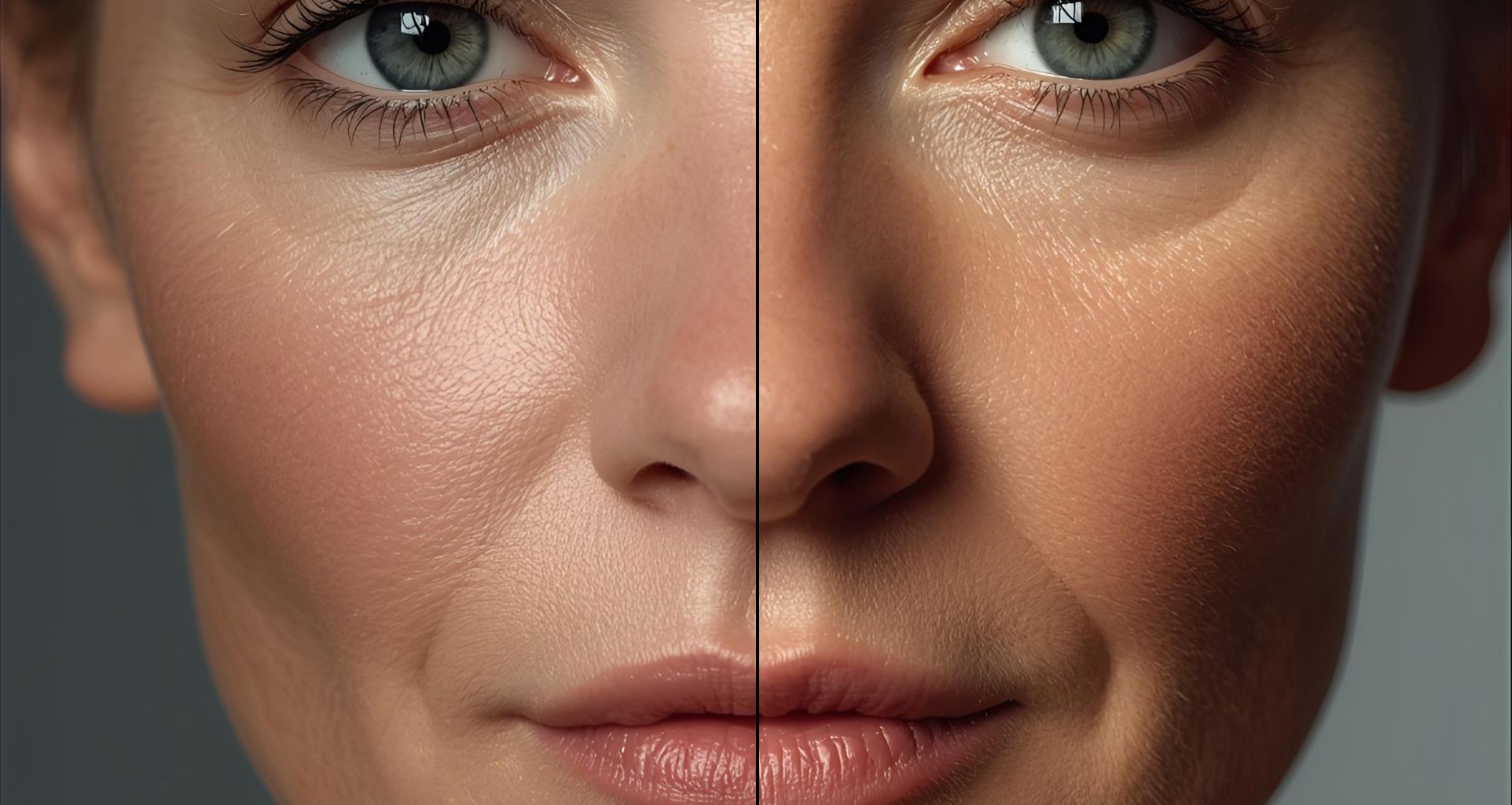
How to Reduce Wrinkles Naturally: A Proven Anti-Aging Skincare Routine
Wrinkles are a natural part of aging, but that doesn’t mean we have to simply accept them. While genetics play a role, a significant portion of how our skin ages is determined by external factors and daily habits. The good news? You don’t always need expensive procedures or chemical-heavy products to make a visible difference.
This proven anti-aging skincare routine focuses on natural methods, powerful botanicals, and scientifically-backed lifestyle changes to help you reduce wrinkles naturally and promote a radiant, youthful complexion.
Understanding What Causes Wrinkles
Before we treat wrinkles, it’s crucial to understand what we’re fighting. Wrinkles form due to two primary processes:
- Intrinsic Aging: This is the natural, genetic aging process. As we get older, our skin produces less collagen and elastin—the proteins responsible for keeping skin firm and supple. Cell turnover also slows down, leading to drier, thinner skin that’s more prone to lines.
- Extrinsic Aging: This is aging caused by external, controllable factors. According to a landmark study published in the Clinical, Cosmetic and Investigational Dermatology journal, up to 90% of visible skin aging is caused by sun exposure and environmental pollutants. This includes:
- Sun Exposure (Photoaging): UV rays break down collagen and elastin fibers.
- Pollution: Creates free radicals that damage skin cells.
- Smoking: Restricts blood flow, depleting the skin of oxygen and nutrients.
- Poor Nutrition: A diet lacking in antioxidants fails to protect the skin.
- Repetitive Facial Expressions: Squinting, smiling, and frowning can lead to fine lines over time.
Our natural approach targets these extrinsic factors head-on.
The Proven 4-Step Natural Anti-Aging Skincare Routine
This routine leverages nature’s most powerful ingredients, many of which have been adopted and refined by the skincare industry.
Step 1: Cleanse Gently, Never Strip
Harsh soaps can disrupt your skin’s natural acid mantle and lipid barrier, leading to dryness and accentuating wrinkles.
- What to do: Use a gentle, cream-based, or oil cleanser. Look for natural ingredients like:
- Jojoba Oil: Mimics the skin’s natural sebum, cleansing without stripping.
- Honey: A natural humectant that draws moisture into the skin and has antibacterial properties. A review in the Journal of Cosmetic Dermatology highlights its wound-healing and moisturizing capabilities.
- Frequency: Morning and night.
Step 2: Exfoliate to Reveal Younger Skin
Sloughing off dead, dull surface cells is one of the fastest ways to reveal smoother, brighter skin and minimize the appearance of fine lines. It also helps your serums and moisturizers penetrate deeper.
- What to do: Use a chemical exfoliant (like AHAs) 1-2 times a week instead of a physical scrub, which can be too abrasive.
- Alpha Hydroxy Acids (AHAs): Derived from fruits and sugars. Lactic Acid (from sour milk) is a superb hydrating exfoliant, gentle enough for sensitive skin. Glycolic Acid (from sugar cane) has smaller molecules that penetrate deeper.
- Natural Alternative: Create a gentle mask using plain yogurt (which contains lactic acid) and mashed papaya (which contains the enzyme papain).
Step 3: Treat with Powerful Natural Actives
This is the heart of your anti-aging routine. Serums are concentrated treatments that target specific concerns like wrinkles and loss of firmness.
- Vitamin C (L-Ascorbic Acid): A superstar antioxidant that protects against free radicals, brightens the skin, and is essential for collagen synthesis. Look for a stable, well-formulated serum. You can find natural sources in topical products containing extracts of acai berry, camu camu, or rosehip seed oil, which is rich in Vitamin C and Vitamin A.
- Retinoids (Vitamin A): The gold standard for anti-aging. They accelerate cell turnover, boost collagen production, and fade hyperpigmentation. While prescription-strength is strongest, you can start with natural alternatives.
- Bakuchiol: A plant-derived alternative that has gained significant scientific backing. A 2019 study in the British Journal of Dermatology found that bakuchiol provided comparable improvements in wrinkles and pigmentation to retinol, with less irritation.
- Hyaluronic Acid (HA): A molecule that can hold up to 1,000 times its weight in water. It’s a incredible humectant that plumps the skin, instantly filling out fine lines. While often derived synthetically for skincare, it exists naturally in our bodies.
Step 4: Moisturize and Seal in Hydration
A good moisturizer reinforces your skin barrier, preventing water loss—a key cause of dry, wrinkly skin.
- What to do: Look for moisturizers containing:
- Ceramides: These are lipids that form the skin’s natural barrier. replenishing them helps keep skin hydrated and resilient.
- Natural Oils: Argan oil, marula oil, and sea buckthorn oil are rich in antioxidants, fatty acids, and vitamins that nourish and protect the skin without clogging pores.
- Pro Tip: Apply your moisturizer to damp skin to lock in extra hydration.
Authoritative Link: The American Academy of Dermatology on Skincare Secret .
The Non-Negotiable Final Step: SUNSCREEN
If you do only one thing to prevent wrinkles, make it this. Daily sunscreen use is the single most effective anti-aging strategy. UV damage is cumulative and happens even on cloudy days.
- What to do: Use a broad-spectrum sunscreen with at least SPF 30 every single morning, rain or shine. Mineral sunscreens containing Zinc Oxide or Titanium Dioxide are excellent natural options that sit on top of the skin to physically block rays, and are often less irritating.
Beyond the Bottle: Lifestyle Choices for Youthful Skin
True natural anti-aging comes from within.
- Diet: You are what you eat. Focus on an antioxidant-rich “beauty diet.”
- Vitamin C-Rich Foods: Bell peppers, broccoli, strawberries, and citrus fruits support collagen production.
- Omega-3 Fatty Acids: Found in walnuts, chia seeds, and fatty fish like salmon, they help maintain your skin’s lipid barrier, keeping it hydrated and plump.
- Antioxidants: Green tea, dark leafy greens, and dark chocolate combat free radical damage.
- Hydration: Drink plenty of water throughout the day. Herbal teas and water-rich fruits and vegetables (cucumber, watermelon) also contribute to your fluid intake.
- Sleep: During deep sleep, your body goes into repair mode, generating new skin cells and collagen. Aim for 7-9 hours of quality sleep per night.
- Manage Stress: Chronic stress elevates cortisol levels, which can break down collagen. Find your calm through yoga, meditation, walking in nature, or whatever helps you decompress.
- Facial Exercises (Face Yoga): Some proponents believe that exercising facial muscles can improve circulation and tone the face, potentially reducing the appearance of wrinkles. While more research is needed, it’s a safe and natural practice to explore.
Conclusion: Consistency is Key
Reducing wrinkles naturally is not about a magic bullet; it’s about a consistent, holistic commitment. It’s the daily diligence of applying sunscreen, the nourishing foods you choose, the water you drink, and the gentle products you use night and day.
By embracing this proven routine and understanding the science behind your skin, you empower yourself to take control of the aging process. You can achieve a healthier, smoother, and more radiant complexion that reflects the care you put into it. Be patient, be consistent, and let your natural beauty shine through.
Level up your knowledge
Link to Clinical, Cosmetic and Investigational Dermatology Journal study on extrinsic aging:
“study published in the Clinical, Cosmetic and Investigational Dermatology journal“
Link to Journal of Cosmetic Dermatology review on honey:
“Journal of Cosmetic Dermatology”
Link to the British Journal of Dermatology study on Bakuchiol vs. Retinol: